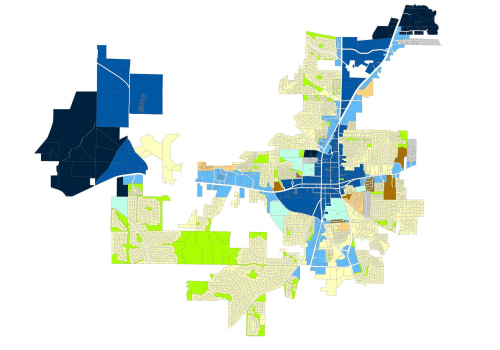
Fayetteville, Georgia, is a city that embodies the spirit of community and growth, making it essential for both residents and visitors to understand the driving policies in Fayetteville, Georgia. As the city continues to expand, the need for effective traffic regulations becomes increasingly important. These regulations not only ensure safety on the roads but also promote a more efficient transportation system that can accommodate the rising number of vehicles. One of the key components of these driving policies is the implementation of carpool lanes, which serve as a vital tool in managing traffic flow and encouraging sustainable commuting practices.
Additionally, those looking to settle in the area may want to explore options for affordable housing in Gainesville.Carpool lanes, often referred to as High-Occupancy Vehicle (HOV) lanes, are designed to incentivize shared rides among commuters. By allowing vehicles with multiple passengers to use these designated lanes, Fayetteville aims to reduce congestion and lower emissions from single-occupancy vehicles. Understanding how these lanes operate within the broader framework of local traffic regulations is crucial for anyone navigating Fayetteville's roads. This knowledge not only enhances individual commuting experiences but also contributes to a collective effort towards environmental sustainability.Moreover, as Fayetteville embraces modern transportation solutions, staying informed about local driving policies can empower residents to make better choices regarding their travel habits. Additionally, those looking to settle in the area may want to explore options for affordable housing in Gainesville.Carpool lanes, often referred to as High-Occupancy Vehicle (HOV) lanes, are designed to incentivize shared rides among commuters. By allowing vehicles with multiple passengers to use these designated lanes, Fayetteville aims to reduce congestion and lower emissions from single-occupancy vehicles. Understanding how these lanes operate within the broader framework of local traffic regulations is crucial for anyone navigating Fayetteville's roads. This knowledge not only enhances individual commuting experiences but also contributes to a collective effort towards environmental sustainability.Moreover, as Fayetteville embraces modern transportation solutions, staying informed about local driving policies can empower residents to make better choices regarding their travel habits.
Whether you are a daily commuter or an occasional visitor, grasping the nuances of traffic regulations and carpool lane usage can lead to significant benefits. From reduced travel times to cost savings on fuel, understanding these policies is key to optimizing your journey through this vibrant city.
Overview of Carpool Lanes
Carpool lanes, often referred to as High-Occupancy Vehicle (HOV) lanes, are specially designated lanes on highways and major thoroughfares that are reserved for vehicles carrying multiple passengers. The primary objective of these lanes is to promote carpooling, thereby alleviating traffic congestion and minimizing the environmental impact associated with single-occupancy vehicles.Purpose of Carpool Lanes
- Encouraging Shared Rides: By providing a dedicated space for vehicles with multiple occupants, carpool lanes incentivize commuters to share rides, which can lead to fewer cars on the road.
- Reducing Traffic Congestion: Carpool lanes help to ease traffic flow during peak hours by allowing high-occupancy vehicles to bypass slower-moving traffic in regular lanes.
- Environmental Benefits: Fewer vehicles on the road result in lower emissions, contributing to improved air quality and a reduction in greenhouse gases.
Benefits of Carpool Lanes
- Time Efficiency: Commuters using carpool lanes often experience shorter travel times, especially during rush hours when regular lanes are congested.
- Cost Savings: Carpooling can significantly reduce fuel expenses for individuals, making it a financially attractive option for many families and workers.
- Community Building: Carpooling fosters social connections among residents as they share rides and experiences, enhancing community engagement.
Carpool Lane Regulations
To ensure the effectiveness and safety of carpool lanes, specific regulations must be adhered to:
- Occupancy Requirements: Most carpool lanes require a minimum number of passengers—typically two or three—to qualify for use. This rule is crucial for maintaining the lane's purpose of reducing vehicle numbers.
- Hours of Operation: Some carpool lanes are only operational during designated hours.
It is essential for drivers to be aware of these times to avoid fines or penalties.
- Signage Compliance: Drivers must follow posted signs that indicate the rules and restrictions governing carpool lane usage. Ignoring these signs can lead to legal repercussions.
- No Solo Driving: Vehicles with only one occupant are generally prohibited from using carpool lanes unless otherwise specified by local regulations.
Benefits of Carpooling
Carpooling offers a multitude of advantages that extend beyond mere convenience. As more individuals in Fayetteville, Georgia, consider this sustainable commuting option, understanding the benefits can encourage participation and foster a community-oriented approach to transportation.Reduced Traffic Congestion
One of the most significant benefits of carpooling is its ability to alleviate traffic congestion.By sharing rides, fewer vehicles are on the road, which leads to:
- Smoother Traffic Flow: With fewer cars competing for space on the roads, traffic can move more freely, reducing delays and improving overall travel times.
- Less Stress: Commuters often experience less frustration when traffic is lighter, contributing to a more pleasant driving experience.
- Improved Road Safety: Fewer vehicles on the road can lead to a decrease in accidents, making commutes safer for everyone.
Environmental Impact
The environmental benefits of carpooling are profound. By reducing the number of single-occupancy vehicles on the road, carpooling contributes to:- Lower Greenhouse Gas Emissions: Carpooling can significantly reduce carbon footprints. According to studies, shared rides can cut individual emissions by up to 45%, which is crucial for improving air quality in Fayetteville.
- Conservation of Resources: Fewer cars mean less fuel consumption, which helps conserve natural resources and reduces dependence on fossil fuels.
- Enhanced Community Health: Improved air quality leads to better public health outcomes, reducing respiratory issues and other health problems associated with pollution.
Cost Savings
Financially, carpooling presents an attractive option for commuters looking to save money. The cost savings associated with carpooling include:- Reduced Fuel Expenses: Sharing a ride means splitting fuel costs among passengers, leading to significant savings over time.
- Lower Maintenance Costs: With fewer trips made by individual vehicles, wear and tear on cars decreases, resulting in lower maintenance expenses.
- Toll and Parking Savings: Many regions offer reduced tolls or free parking for carpool vehicles, further enhancing financial benefits.
By participating in carpooling initiatives, residents can contribute to a more sustainable environment while enjoying financial savings and a more efficient commuting experience.
Current Carpool Lane Policies in Fayetteville
In Fayetteville, Georgia, the current landscape of carpool lane policies reflects a growing awareness of the need for sustainable transportation solutions, yet it also highlights a significant gap in infrastructure. As of now, there are no designated carpool lanes within the city limits. This absence means that drivers must navigate the existing roadways without the benefit of specific lanes reserved for high-occupancy vehicles.Despite the lack of formal carpool lanes, Fayetteville actively encourages residents to consider ridesharing initiatives as a viable alternative to single-occupancy vehicle use. The city recognizes that promoting carpooling can help alleviate traffic congestion and reduce environmental impact, even in the absence of dedicated lanes.Various programs and resources are available to assist residents in finding carpool partners and organizing shared rides.Some key points regarding the current carpool policies in Fayetteville include:
- No designated carpool lanes: Currently, there are no specific lanes allocated for carpools, which means all vehicles must adhere to standard traffic regulations.
- General traffic regulations apply: All drivers, including those traveling with multiple passengers, must comply with local traffic laws, such as speed limits and safety requirements.
- Support for ridesharing: The city promotes various ridesharing programs aimed at connecting residents who wish to share their commutes. These initiatives often include online platforms and community boards where individuals can find potential carpool partners.
How to Use Carpool Lanes Effectively
Utilizing carpool lanes effectively can greatly enhance your daily commute while contributing to reduced traffic congestion and lower emissions.Here are some practical tips to help you navigate these lanes successfully and make the most of your carpooling experience.
Understand the Regulations
Before hitting the road, it’s crucial to familiarize yourself with the specific driving policies in Fayetteville, Georgia. Carpool lanes often have strict regulations regarding the number of passengers required to qualify for their use. Typically, a minimum of two or three occupants is necessary, but this can vary based on local laws. Always check for any signage that indicates the rules for carpool lane usage.Plan Your Carpool
Effective carpooling starts with planning.Coordinate with colleagues, friends, or neighbors who have similar work hours and live nearby. Establish a regular schedule that works for everyone involved. This not only makes carpooling more efficient but also fosters a sense of community among participants.
Select the Right Vehicle
If possible, choose a vehicle that comfortably accommodates all passengers. This ensures compliance with carpool lane regulations and enhances comfort during your commute.Larger vehicles like SUVs or vans can be ideal for groups, allowing everyone to travel together without feeling cramped.
Punctuality is Key
Being on time is essential for maintaining a smooth flow in your carpool arrangement. Arrive promptly to pick up your carpool partners to avoid delays. This not only helps everyone reach their destination as planned but also reinforces reliability within your group.Maintain Open Communication
Effective communication is vital in any carpool arrangement. Keep an open line of dialogue with your carpool group to discuss any changes in schedules or routes ahead of time.This proactive approach can help avoid confusion and ensure that everyone is on the same page.
Practice Carpool Lane Etiquette
When using carpool lanes, it’s important to adhere to proper etiquette:- Merging Safely: Always merge into the carpool lane safely and signal your intentions clearly to other drivers.
- Avoid Sudden Lane Changes: Make lane changes gradually and avoid abrupt movements that could endanger you or other drivers.
- Be Courteous: Show consideration for other drivers by allowing them space when merging and maintaining a safe following distance.
Impact of Carpool Lanes on Traffic and Environment
The implementation of carpool lanes can have a profound impact on both traffic conditions and environmental sustainability in Fayetteville, Georgia. By promoting shared rides, these lanes are designed to alleviate congestion and enhance the overall efficiency of the transportation network.Traffic Flow Improvements
- Reduced Vehicle Volume: Carpool lanes encourage drivers to share rides, which directly decreases the number of vehicles on the road. This reduction in traffic volume can lead to smoother commutes and less time spent in traffic.
- Faster Travel Times: Studies indicate that carpool lanes can significantly improve travel times, especially during peak hours.
For instance, data from various transportation agencies suggest that carpool lane users can experience travel time reductions of up to 30% compared to those in regular lanes.
- Enhanced Road Safety: With fewer vehicles on the road, the likelihood of accidents may decrease. Carpooling can lead to more predictable traffic patterns, allowing for safer driving conditions.
Environmental Benefits of Carpooling
- Lower Emissions: Fewer cars on the road translate to reduced greenhouse gas emissions. According to the Environmental Protection Agency (EPA), carpooling can lower individual carbon footprints by as much as 45%, making it a vital strategy for improving air quality.
- Conservation of Resources: Carpooling not only reduces fuel consumption but also conserves natural resources. With fewer vehicles operating, there is less demand for fossil fuels, contributing to a more sustainable future.
- Improved Air Quality: As carpooling decreases the number of single-occupancy vehicles, it leads to better air quality in Fayetteville.
This improvement is crucial for public health, particularly in urban areas where pollution levels can be concerning.
Frequently Asked Questions about Carpool Lanes in Fayetteville
As residents of Fayetteville, Georgia, navigate the complexities of local traffic regulations, many find themselves with questions about carpool lanes and the associated driving policies. This section aims to address some of the most common inquiries to enhance understanding and ensure compliance with local laws.Are there designated carpool lanes in Fayetteville?
Currently, Fayetteville does not have specific carpool lanes designated for high-occupancy vehicles. While the city encourages carpooling as a means to alleviate traffic congestion, drivers must utilize regular lanes while adhering to standard traffic regulations.What are the benefits of carpooling?
- Reduced Traffic Congestion: Carpooling decreases the number of vehicles on the road, leading to smoother traffic flow.
- Environmental Impact: Fewer cars result in lower emissions, contributing to improved air quality.
- Cost Savings: Sharing rides can significantly cut down on fuel expenses for individuals.
- Community Building: Carpooling fosters connections among residents, promoting a sense of community.
What regulations should I be aware of when carpooling?
While there are no specific regulations for carpool lanes in Fayetteville, it is essential to follow general traffic laws.This includes obeying speed limits, ensuring all passengers wear seatbelts, and adhering to any posted signs regarding lane usage.
How can I find carpool partners in Fayetteville?
Residents looking for carpool partners can explore various resources:- Online Platforms: Websites and apps dedicated to ridesharing can connect you with potential carpoolers.
- Social Media Groups: Local community groups on platforms like Facebook often have members seeking carpool arrangements.
- Community Boards: Check bulletin boards at local businesses or community centers for postings related to ridesharing.
Is there a penalty for improper use of carpool lanes?
Since Fayetteville currently lacks designated carpool lanes, there are no specific penalties related to them. However, improper use of regular lanes can lead to fines or other legal repercussions as per local traffic laws. It is crucial for drivers to remain informed about these regulations to avoid any violations.By understanding these frequently asked questions about carpool lanes and driving policies in Fayetteville, residents can make informed decisions that contribute to safer and more efficient commuting experiences.Conclusion: Navigating Driving Policies in Fayetteville
As we conclude our exploration of driving policies in Fayetteville, Georgia, it is essential to reflect on the key points discussed throughout this article. Understanding the local traffic regulations is not merely a matter of compliance; it is a vital aspect of ensuring safety, efficiency, and sustainability on the roads.The driving policies in Fayetteville are designed to address the unique challenges posed by the city’s growth and increasing traffic volume.While there are currently no designated carpool lanes within the city limits, the emphasis on promoting carpooling through various initiatives highlights the city’s commitment to reducing congestion and environmental impact. Residents are encouraged to engage in ridesharing programs, which not only alleviate traffic but also foster a sense of community among commuters.Staying informed about local traffic laws is crucial for several reasons:
- Safety: Knowledge of driving regulations helps prevent accidents and ensures that all road users can navigate safely.
- Efficiency: Understanding traffic patterns and rules can lead to better route planning, saving time and reducing frustration during commutes.
- Environmental Responsibility: By participating in carpooling and other sustainable practices, residents contribute to a healthier environment.
By understanding these regulations and actively participating in community efforts, individuals can contribute to a more efficient and sustainable transportation system. As Fayetteville continues to grow, staying informed will empower residents to make responsible choices that benefit not only themselves but also the broader community.